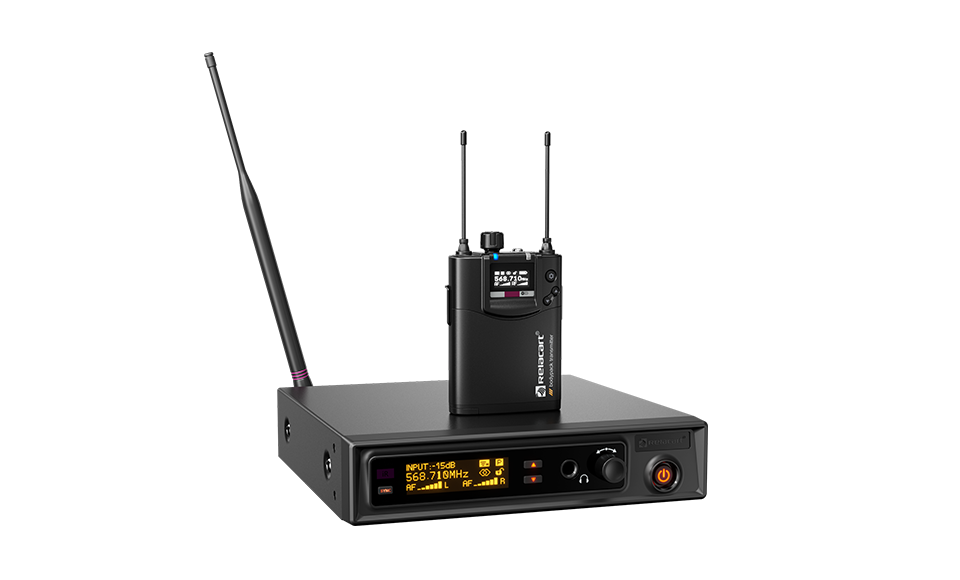
One PM-320 block: stereo receiver, rack transmitter, two AA cells - the rental unit of account
For rental companies, in-ear monitors have crossed from accessory to inventory staple: every act that once asked for wedge monitors now expects a stereo IEM link, and the houses that own none rent the whole monitoring layer. This guide treats the IEM fleet the way rental operators actually think - in blocks, wear parts and checkout protocols - using the specifications of the PM-320 system as the concrete reference throughout.
Why Do IEM Systems Earn Their Place in a Rental Fleet?
Three economics work in the IEM's favour. Demand side: monitoring is needed by every act on every stage, so utilisation beats almost any other rental line. Physical side: an IEM block is compact - the PM-320 transmitter is a half-EIA 1U chassis and the stereo receiver weighs about 100 grams - so a van slot that once carried one wedge monitor now carries several performer blocks.
Risk side: an IEM link protects the performer's hearing in a way wedges cannot (a limiter between the mix and the ears), which turns a rental line into a duty-of-care argument that venues increasingly care about.
What Should One Rental Block Contain?
Define the block as the unit of account: one stereo transmitter (half 1U rack), one stereo receiver, one clean pair of earphones, two fresh AA cells, and the cable set. The PM-320 block's show-relevant numbers: 470-936 MHz carrier range with 32 MHz tuning width, FM MPX stereo with S/N above 100 dB, 25 Hz-15 kHz response, stereo separation at or above 55 dB, 2 x 150 mW headphone output, approximately 100 metres of open-space working distance, and about 8 hours of receiver runtime on two AA cells at 165 mA typical drain.
Block accounting keeps checkout honest: what leaves the warehouse as six blocks must return as six complete blocks, and a missing ear tip is a block failure, not a shrug.
Which Wear Parts Decide Total Cost of Ownership?
Batteries first. The PM-320 receiver runs on two AA cells - a consumable the rental house controls, replaceable anywhere in the world, with a published ~8-hour figure that check-out testing should verify against reality as cells age. Compare that with Li-ion systems such as the WDC-903 conference units (23 hours per charge, 48 hours standby): lithium buys runtime and charges cycling cost into the fleet budget instead of the consumables budget. Neither is wrong; mixing them without changing the checkout checklist is how fleets drift.
Cables and ear tips are the other wear layer: 3.5 mm stereo cables and foam tips get lost and degraded at rates that surprise new rental managers. Stock them as spares-per-block, not as a shared bin.
The transmitter side has almost no wear: a half-1U rack chassis with FM MPX stereo transmission and S/N above 100 dB is a set-and-forget unit until the firmware of fashion changes the connector standard a decade later.
One rental block: contents and service intervals
| Item | Spec anchor (PM-320) | Service interval |
|---|
| Stereo transmitter | Half-EIA 1U, 470-936 MHz, 32 MHz width | Inspect per return; no consumables |
| Stereo receiver | ~100 g, S/N >100 dB, 2 x 150 mW output | Function test per return |
| Power | 2 x AA, ~8 h runtime at 165 mA | Replace per show; test cells quarterly |
| Earphones + cable | 3.5 mm stereo output socket | Tips per client; cable per return |
| Limiter function | 6 dB steps, defeatable | Verify per checkout - it is the hearing-protection feature |
How Do You Coordinate IEM Frequencies with Stage Mics?
The monitoring band lives inside the same UHF spectrum as the stage microphones, so one fleet plan must carry both - this is where IEM blocks and microphone channels collide in practice. The PM-320's 32 MHz tuning width inside 470-936 MHz gives coordinators room, but the plan still has to keep every intermodulation product off every carrier, microphone or monitor alike; the workflow is the same one described in the intermodulation planning guide.
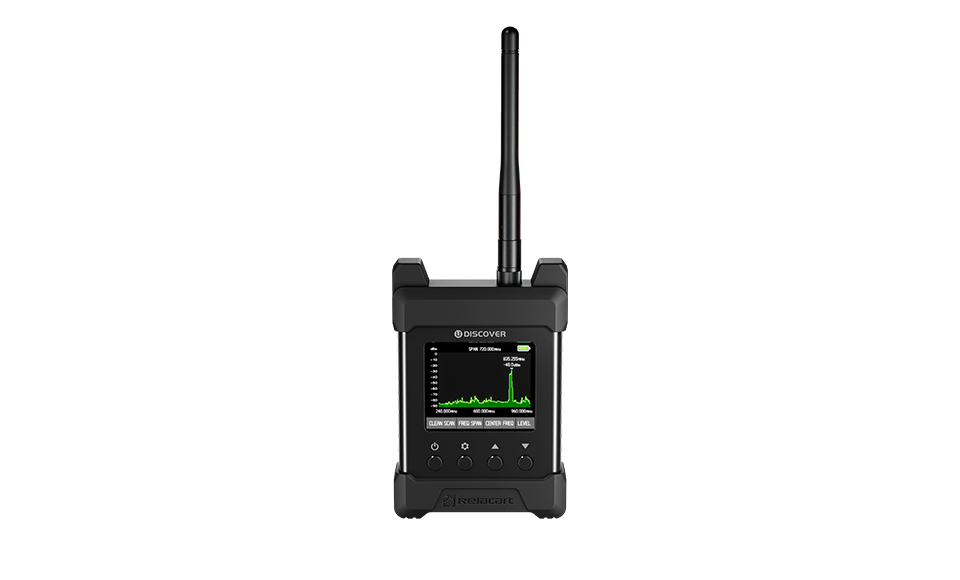
Fleet practice that works: reserve two dedicated monitor slots per stage zone in the master plan, mark them in the block cases so visiting engineers do not re-tune "the spare frequencies", and keep the U.Discover pocket analyzer in the monitor tech's kit for the on-site scan that the plan was built from.
What Does the Check-Out Protocol Look Like?
- Power-up each block with load: verify RF lock and audio through actual earphones, not just an LED
- Confirm the limiter engages (it is the hearing-protection feature - test it like one)
- Fit fresh AA cells and record the block number against the battery set
- Verify the assigned frequency against the event's plan, not the case label alone
- On return: count all parts, test the cable, retire any ear tips that left the building, and log faults against the block's serial number
Where Does the IEM Fleet Go Next?
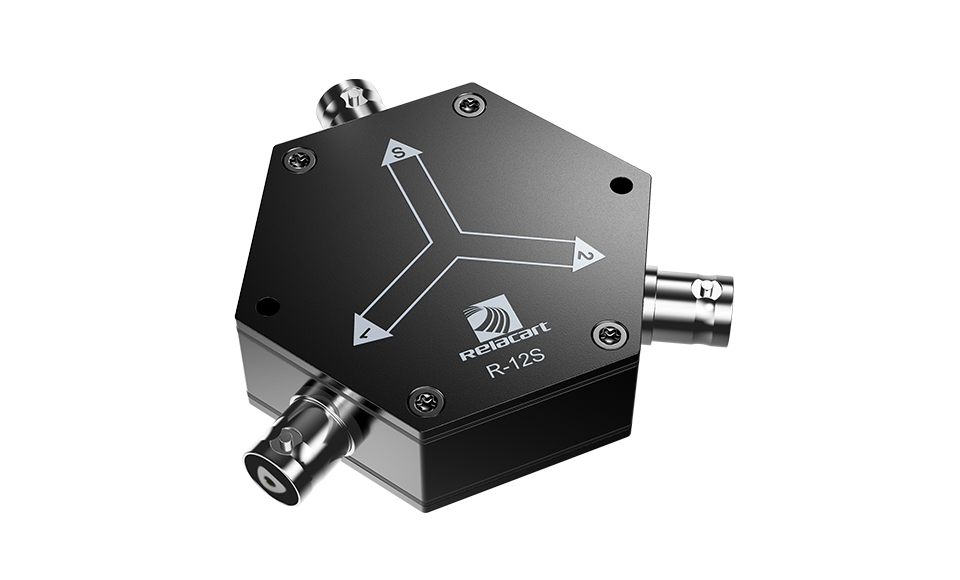
Two directions reward investment. Wider blocks: as acts grow, monitor counts grow faster than microphone counts, so the scalable rental buy is more IEM blocks plus one more R-14D distribution unit per zone, not bigger microphone racks. And shared antenna infrastructure with the microphone fleet - one good directional pair per zone serving both layers - is exactly the pattern our 4 vs 8 channel guide recommends for the microphone side, and it halves the hardware the monitor world needs to own.