Choosing a wireless microphone system for a church requires careful consideration of stage activities, building acoustics, RF conditions, and audio system integration. A typical worship service may involve pastors, worship leaders, singers, guest speakers, and other participants, each with different microphone requirements.
For churches, AV contractors, and professional audio equipment suppliers, the goal is to build a wireless audio system that maintains stable transmission, clear vocal reproduction, and convenient operation throughout different services and events.

1. Match Microphone Types to Different Church Activities
Not every participant needs the same microphone configuration. Selecting the right microphone type for each role helps improve sound consistency and stage flexibility.
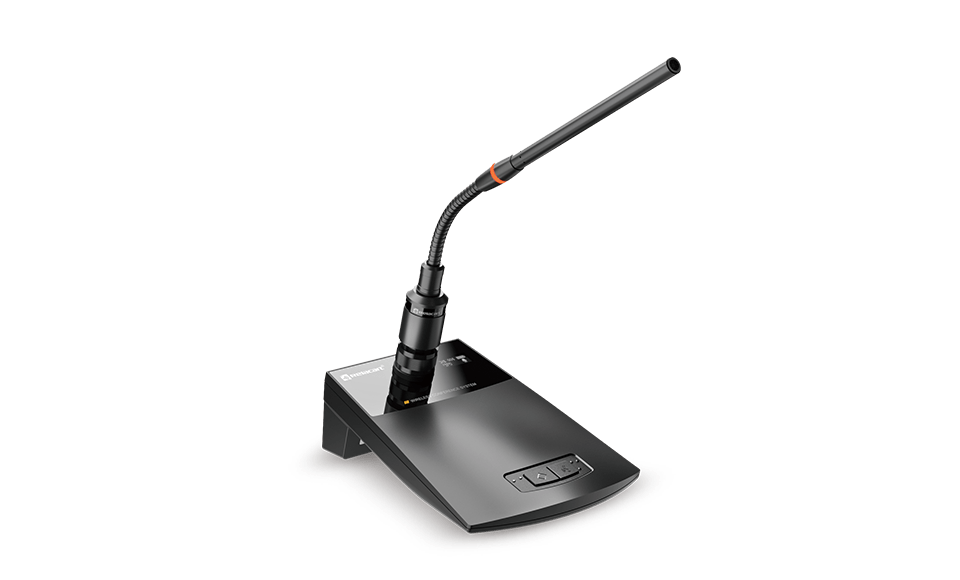
Pastors and Preachers: Wireless handheld microphones are suitable for pastors who frequently move around the pulpit or interact with the congregation. A gooseneck microphone on a dedicated desktop base is another option for fixed lectern positions.
Worship Leaders: Headset microphones or lavalier microphones connected to bodypack transmitters allow worship leaders to move freely while keeping their hands available for conducting and interacting with the congregation.
Vocalists and Guest Speakers: Handheld wireless microphones provide flexible microphone sharing for solo performances, announcements, and guest presentations.
Choirs: Dedicated wired condenser microphones positioned appropriately across choir sections can provide consistent group pickup without requiring a separate wireless channel for every singer.
A well-designed church audio system should assign microphone types according to speaking positions, stage movement, and performance requirements.
Explore Relacart's professional wireless microphone systems to compare receiver configurations and compatible transmitter options.
2. Prioritize RF Stability in Large Worship Buildings
Churches often feature high ceilings, thick walls, metal structures, and large seating areas. These architectural characteristics can affect wireless signal propagation and create challenging RF conditions.
When selecting a system, consider the following technical factors:
True Diversity Reception: Two independent antenna reception paths help reduce signal dropouts caused by multipath interference and fading.
Frequency Agility: A wider switching bandwidth provides more frequency options when coordinating multiple wireless channels, subject to local spectrum regulations.
Antenna Placement: Proper antenna positioning and distribution help maintain reliable reception across the stage and performance area.
Frequency Coordination: Check for interference from nearby wireless systems, in-house AV equipment, and neighboring venues before assigning operating frequencies.
For churches using several wireless microphones simultaneously, frequency planning should be completed before installation. An on-site RF assessment is particularly useful for identifying dead zones and potential interference sources.
For larger installations, Relacart's UR Series true diversity wireless microphone systems provide different channel configurations for professional audio applications.
3. Determine the Required Number of Wireless Channels
The number of wireless channels should be based on the actual number of simultaneous microphone users rather than the total number of microphones owned by the church.
For example:
Small Churches: A two-channel receiver may be sufficient for a pastor and one additional speaker or performer.
Medium-Sized Churches: Four-channel configurations can accommodate a pastor, worship leader, and several vocalists or guest speakers.
Large Churches: Multiple receiver units may be necessary when several performers and speakers need independent wireless channels.
It is also important to leave room for occasional guest speakers, special performances, and seasonal events.
For churches expecting frequent stage activities, the Relacart UR-2Q quad-channel wireless microphone system offers four-channel true diversity reception and 130MHz switching bandwidth, depending on region. Its Dante output also supports integration with compatible network audio equipment.
This configuration allows system integrators to manage multiple wireless microphone channels within a single receiver chassis.
4. Consider Feedback Control and Audio System Compatibility
Acoustic feedback is a common challenge in worship spaces, particularly when microphones operate near stage monitors and main loudspeakers.
A professional wireless microphone system should be evaluated together with the church's complete sound reinforcement setup.
Important considerations include:
Feedback Suppression: Helps control unwanted feedback and improve usable microphone gain.
Audio Equalization: Allows sound engineers to adjust vocal characteristics according to microphone types and room acoustics.
Balanced Audio Outputs: XLR connections support integration with professional mixers and digital signal processors.
Dante Network Audio: Enables digital audio distribution to compatible DSPs, mixers, recorders, and other networked devices.
For churches that need feedback management and flexible audio adjustment, the Relacart UR-260D dual-channel wireless microphone system features its FBK Feedback Killer function and Magic EQ processing.
For larger installations with network-based audio workflows, the UR-2Q provides Dante connectivity for compatible audio equipment.
5. Simplify Wireless Microphone Operation for Church Volunteers
Many churches rely on volunteers to operate their sound systems during weekly services. Complicated frequency settings, battery management, and microphone allocation can increase the risk of operational mistakes.
When evaluating equipment, consider:
IR Automatic Frequency Synchronization: Simplifies transmitter and receiver frequency matching.
Clear Display Information: Helps operators monitor frequency settings, RF signals, audio signals, and transmitter battery status.
Convenient Charging: Dedicated charging accessories can make battery management more organized.
Simple Channel Identification: Clearly labeling each microphone according to its assigned role helps volunteers operate the system more efficiently.
Preset Audio Settings: Where supported, saved audio configurations can reduce repetitive adjustments before services.
For churches without a dedicated audio engineer, straightforward equipment operation should be considered an important purchasing requirement rather than an optional convenience.
6. Choose the Right Relacart System for Your Church
Relacart provides several professional wireless microphone configurations that can be evaluated according to church size, channel requirements, and audio integration needs.
UR-2Q Quad-Channel 130MHz Wideband True Diversity Wireless Microphone System
The UR-2Q is suitable for installations requiring four wireless microphone channels in one receiver chassis.
Key features include:
Four-channel true diversity reception.
130MHz switching bandwidth, depending on region.
Built-in antenna distribution.
Dante network audio output.
IR automatic frequency synchronization.
Built-in Magic EQ audio adjustment.
It is worth considering for churches that need multiple wireless microphones for preaching, worship performances, and guest speakers.
UR-290D Dual-Channel True Diversity Wireless Microphone System
The UR-290D provides a two-channel configuration for installations with more moderate wireless microphone requirements.
Its features include true diversity reception, up to 64MHz bandwidth depending on region, balanced XLR and unbalanced audio outputs, and Dante audio transmission support.
It can be evaluated for smaller worship spaces or installations that require two independent wireless microphone channels and network audio integration.
The final product selection should be determined by the number of simultaneous microphones, local RF conditions, antenna requirements, and the existing audio system.
7. What Should Churches Confirm Before Purchasing?
Before purchasing a wireless microphone system, church administrators and AV contractors should confirm several installation details:
How many microphones need to operate simultaneously during regular services?
Are separate microphone configurations required for preaching, singing, and guest speakers?
Does the building have challenging RF conditions or multiple adjacent wireless systems?
Are additional antennas or an antenna distribution system required?
Does the existing audio infrastructure support Dante?
Will volunteers operate the system without a dedicated sound engineer?
Are additional channels needed for future worship events and church activities?
For churches with separate council rooms or leadership meeting spaces, a dedicated WDC-903 wireless conference discussion system can also be considered for structured group discussions and meeting applications.
Conclusion
The best wireless microphone system for a church is not necessarily the one with the most channels or the highest technical specifications. It is the system that matches the church's worship activities, provides reliable RF transmission, controls feedback effectively, and integrates with the existing sound system.
With professional wireless microphone solutions such as the UR-2Q and UR-290D, Relacart provides different configurations for churches and other professional audio installations.
Contact Relacart to discuss your church audio requirements and find a wireless microphone solution that fits your venue, channel requirements, and system integration needs.