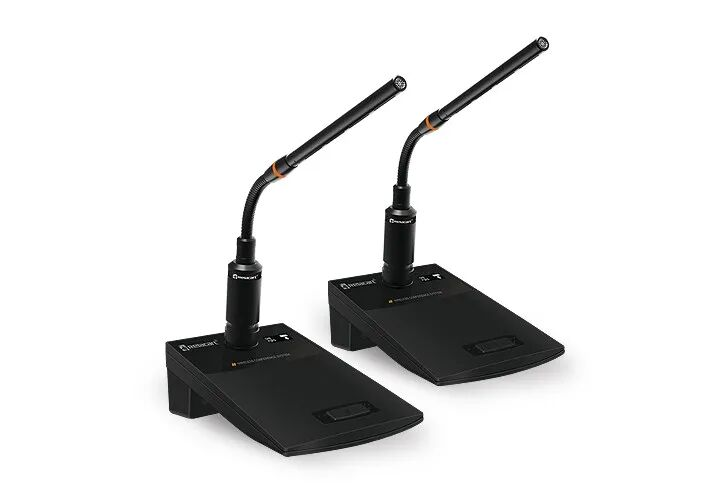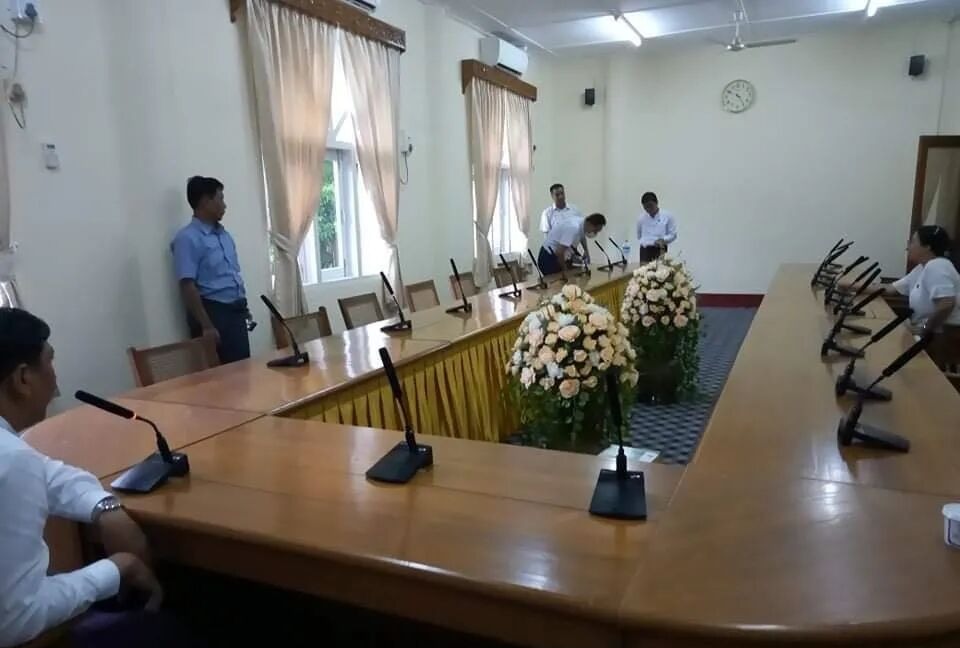
Discussion units installed for a multi-purpose worship and teaching venue in Myanmar
A church sound system works when it survives three realities at once: several people speak in one service, the operators are volunteers, and the building is usually stone, glass and steel - the friendliest acoustics for echo and the least friendly for radio. So the buying decision is less about brand and more about matching microphone types to roles and RF planning to the building.
This guide breaks a typical church into five audio roles and matches each to equipment classes that Relacart builds - from the UR-2Q quad-channel true diversity receiver to the WDC-903 wireless discussion system - with a deployment checklist for volunteer-run crews.
The Five Audio Roles in a Worship Service
The pulpit role deserves a note: a dedicated desktop microphone such as the UD-222 wireless desk stand keeps the pulpit independent of the handheld stock - see the gooseneck and desk stand selection guide for the details that matter (capsule, base, muting).
Match the microphone class to the role before comparing brands
| Role | Best microphone class | Why |
|---|
| Pulpit / lectern | Gooseneck on a desktop base | Fixed position, hands stay on the book, consistent distance |
| Worship leader | Headset or bodypack wireless | Both hands free, constant mic-to-mouth distance while moving |
| Vocal soloists | Handheld wireless | Familiar, shareable, expressive |
| Choir | Choir condenser microphones over the section | One microphone covers many singers; less stage clutter |
| Council / leadership meetings | Discussion system units | Turn-taking control, camera tracking, minute-taking audio |
Why RF Stability Is the First Spec to Price
In a worship service, the audio fails in front of the whole congregation at the worst possible moment, which is why diversity reception and frequency headroom matter more here than in a rented conference hall. A quad-channel true diversity receiver such as the UR-2Q gives each channel two antenna paths and 130 MHz of switching bandwidth (depending on region), so the system can re-plan around a guest band or a neighboring venue without replacing hardware.
The budget rule of thumb: spend on receivers and antennas first, transmitters second. Antenna placement across stone walls is covered in our wireless microphone antenna distribution guide.
Design for Volunteers, Not Engineers
The operator at 9 a.m. on Sunday is often a teenager or an elder, so the system must be operable by instruction card. Three features carry most of that weight: IR auto-sync pairs a transmitter to a receiver with one button; voice-activation mode opens a microphone when someone speaks into it, no settings required - the same mode a government office chose for exactly this reason; and automatic power-on lets wireless discussion units wake into working mode from a single host command.
For the leadership or elders' meeting room, a wireless discussion system earns its keep here too: the WDC-903 supports up to 255 units with a maximum of 5 speaking at once, and its voice-activation and request modes need no technician in the room.
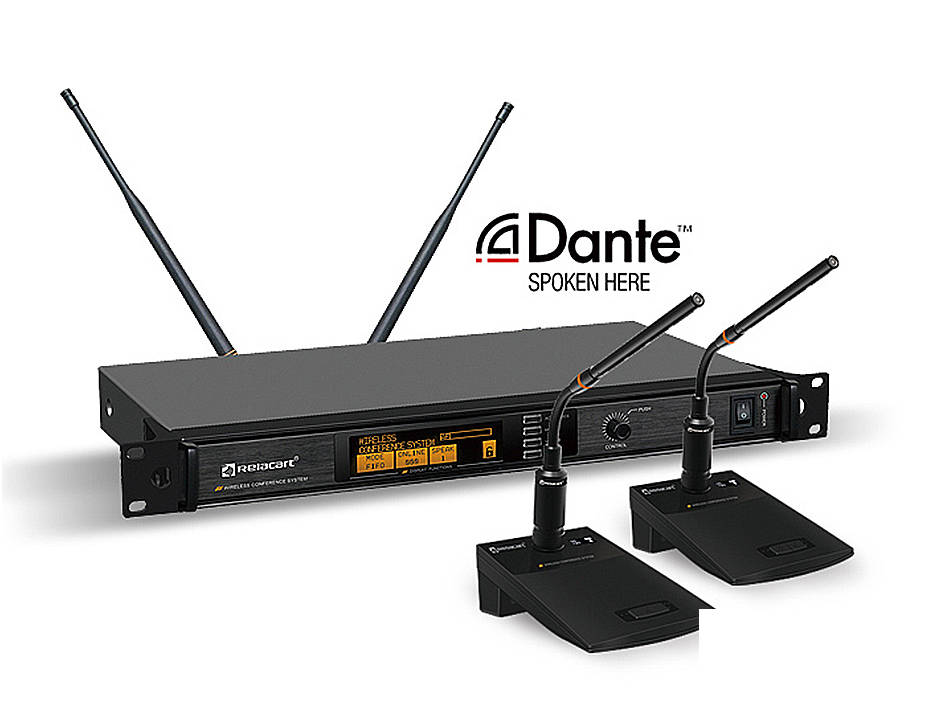
WDC-903 host with discussion units - turn-taking without a technician
A Real Multi-Purpose Worship-Sector Venue
The closest published template for a multi-purpose religious venue is a Buddhist university in Myanmar: a large U-shaped table for 23 participants, a room that also serves other campus purposes, and a wireless discussion system that had to work reliably in a genuinely multi-purpose environment. The installed answer - wireless units, automatic channel search and replace, Dante interface for the recording chain - maps almost one-to-one onto a church council room with a Sunday-school schedule.
The same venue logic applies to the main hall: microphones that one volunteer can hand to a guest speaker, frequencies that survive a wedding band's backstage checks, and a Dante output so the sermon archive records cleanly.
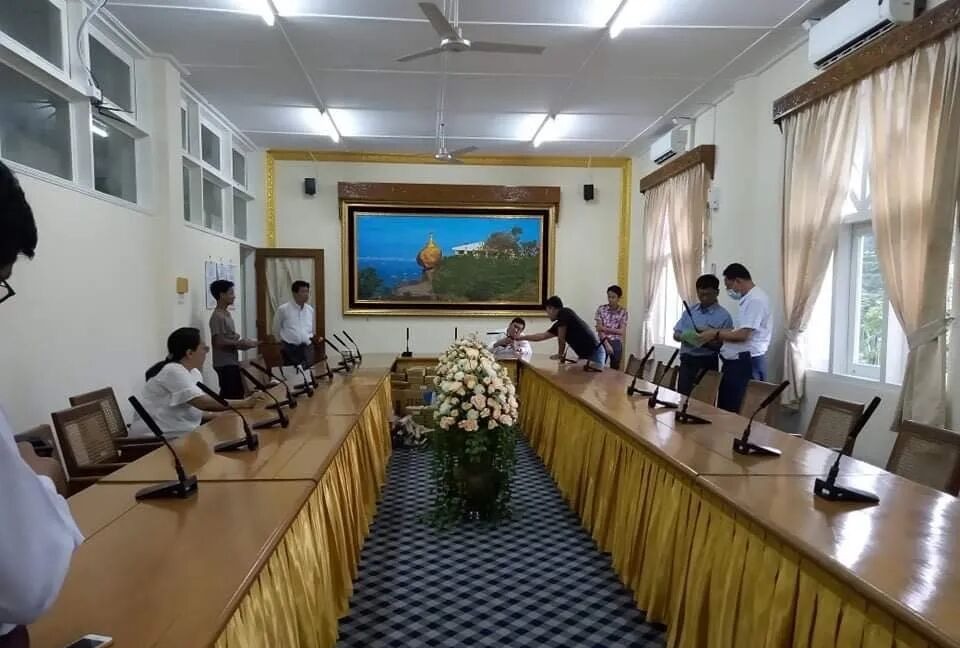
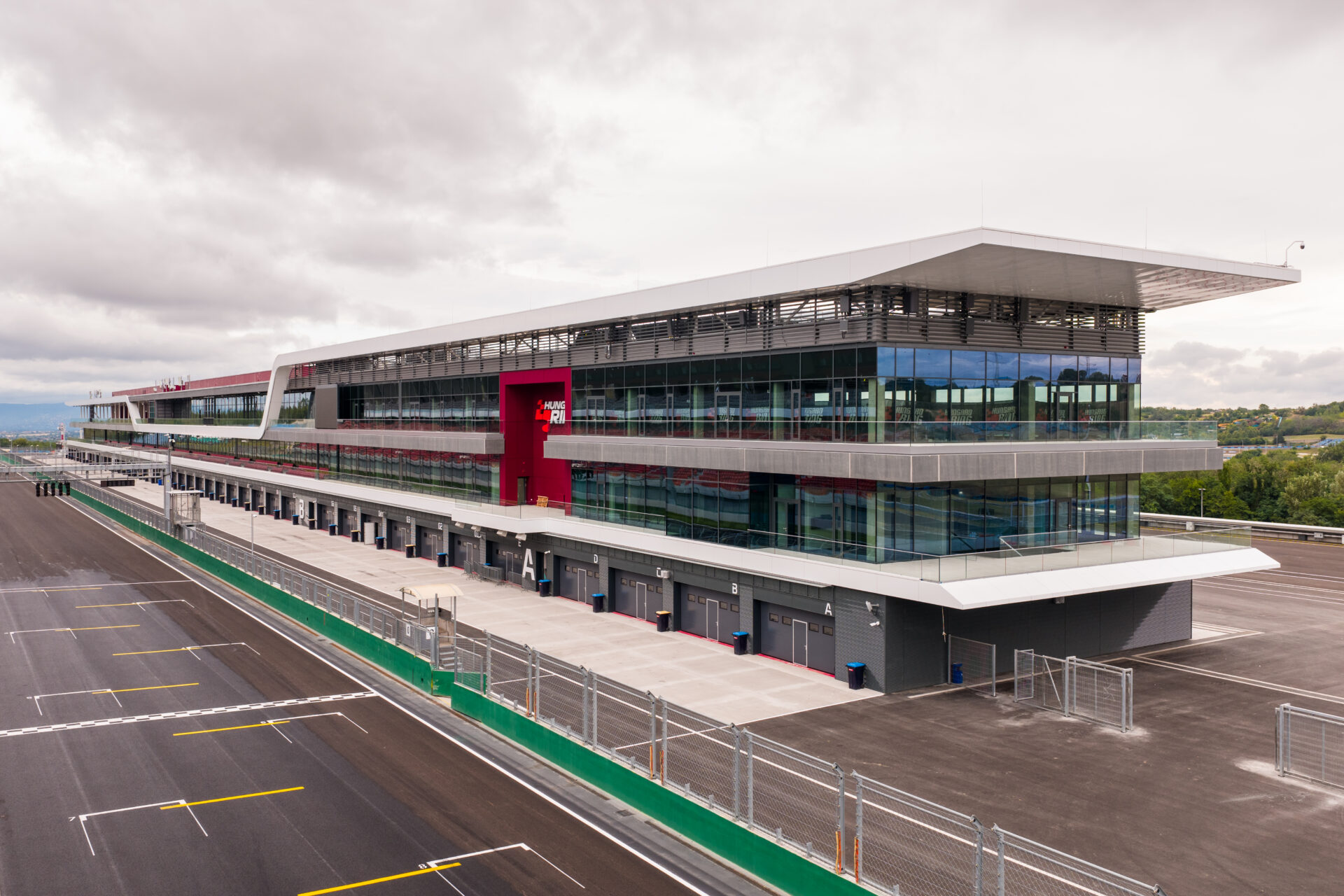
The multi-purpose hall front - 23-seat U-shaped discussion layout
Volunteer-Friendly Deployment Checklist
- One labeled microphone per role, not a drawer of mixed units.
- Batteries charged on a schedule posted next to the charging rack.
- Frequencies pre-coordinated for the month; AFS auto-search as the Sunday-morning fallback.
- Diversity antennas placed apart and aimed at the stage line, not hidden in a closet.
- One-page run sheet: which channels open, in which order, who mutes whom.
- Voice-activation or auto power-on for any room a technician will not staff.
- A Dante or recording feed tested with the archive team before the first service of the month.
- A yearly RF re-check after any new LED walls, Wi-Fi upgrades or building work.
How many wireless microphones does a typical church need?
Most services run on four to eight active channels: pulpit, worship leader, one or two handhelds, and spare channels for events. A single UR-2Q quad-channel receiver covers the core four; add chassis rather than swapping systems as the ministry grows.
UHF or 2.4 GHz for a stone building?
UHF. Stone, glass and steel construction plus thick walls punish 2.4 GHz, which also shares spectrum with Wi-Fi. UHF systems with wide switching bandwidth keep clear channels through the building's construction.
What should a choir use instead of many handhelds?
Hanging or stand-mounted choir condenser microphones, one per section. They keep the stage clear, need no channels of their own if wired, and reduce the RF plan to the roles that actually move.