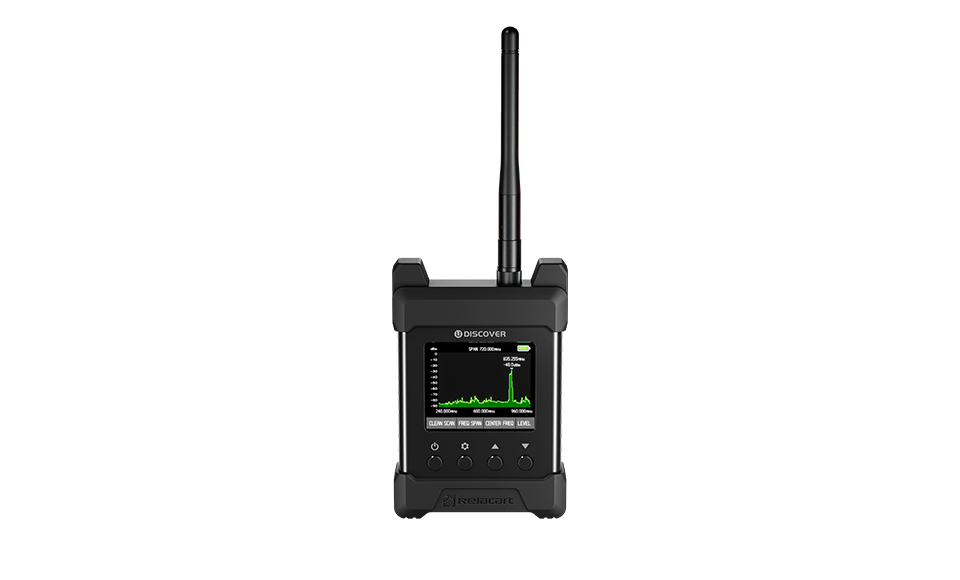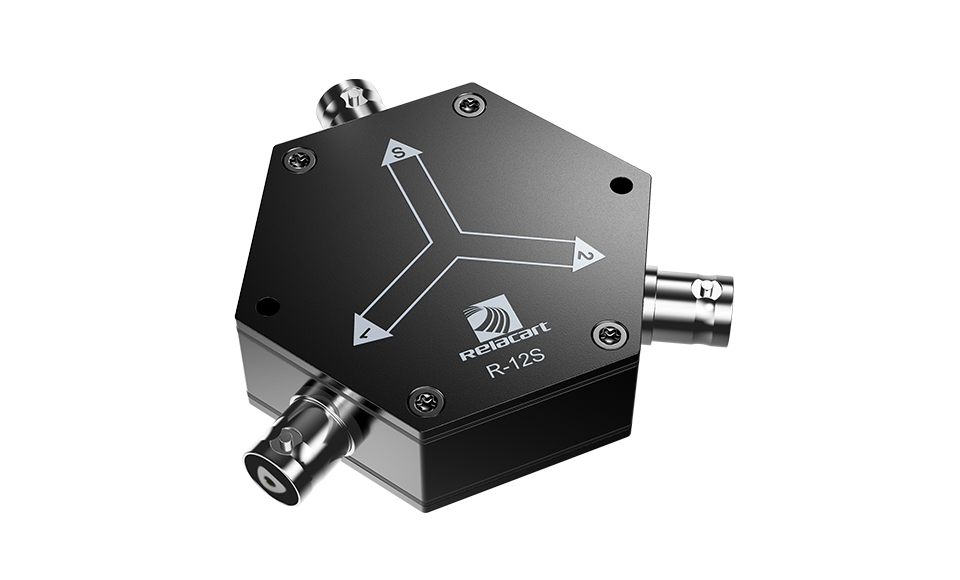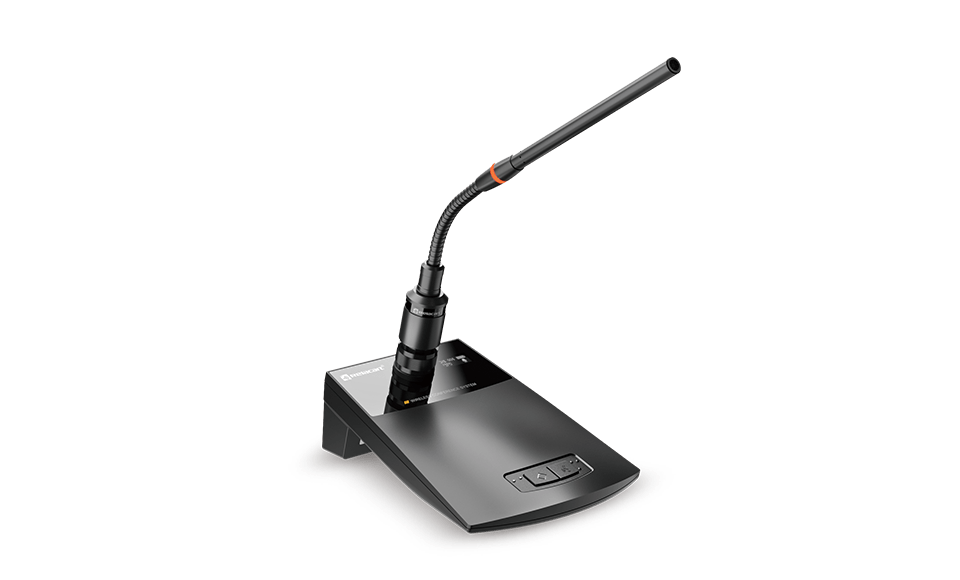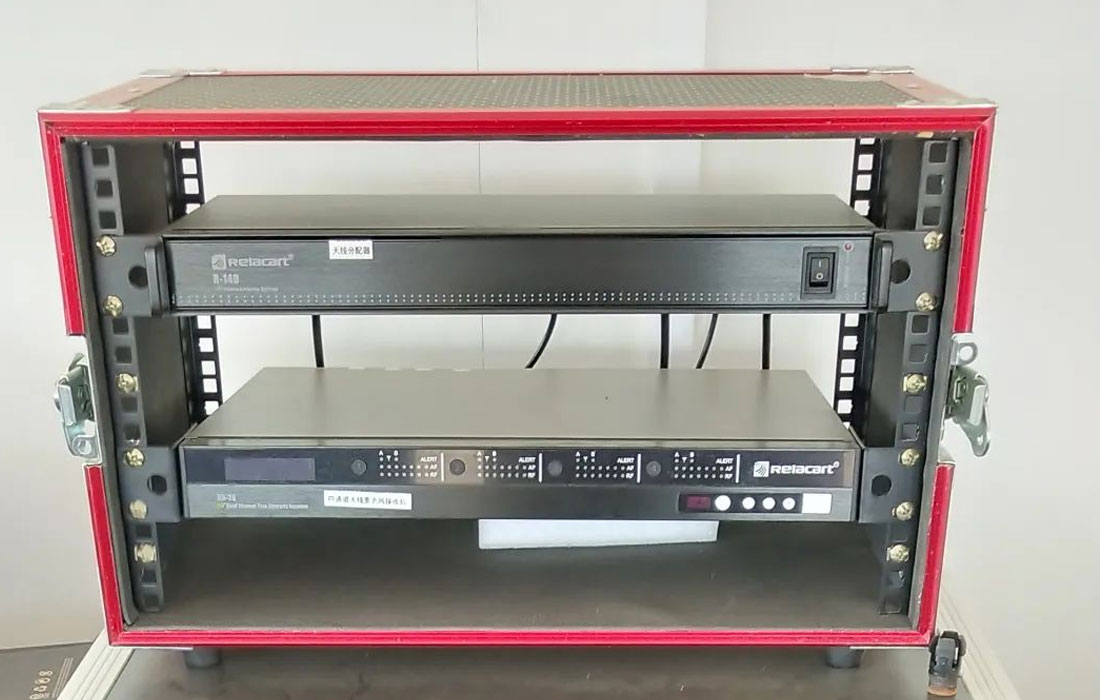
Distribution hardware racked in a flight case: the build quality you can see is the build quality you will hear
Distributors and integration firms buy professional audio equipment in quantities that justify a factory audit before the first purchase order. Yet most audits under-deliver because they arrive without a checklist: visitors see the showroom, drink the tea, and sign the contract. This article is the checklist - what to demand in documents, what to verify on the floor, and what to test in a sample - written from the supplier side of the table.
Nothing here requires laboratory equipment. Every item is checkable in a one-day visit, and everything a compliant manufacturer claims should be provable with a document, a demonstration, or a measurement you can repeat at home.
What Documents Should Exist Before the Visit?
Ask for these before booking flights; a supplier who cannot produce them by email will not produce them in person.
Certification certificates with certificate numbers, covering the specific models you intend to buy - not a different model in the same family. Which certificates a professional audio line should carry, and what each one actually proves, is its own subject: see our certification guide for wireless microphones.
A quality management certificate (ISO 9001 or equivalent national scheme), a patent and software-copyright list as evidence of real R&D (a manufacturer who only assembles cannot show either), and per-model documentation: operation manuals and datasheets, downloadable for every product, not a brochure with renders. A catalogue you can audit against is the minimum honesty test.
What Should You Verify on the Production Floor?
Walk the floor in production order, and at each stage ask to see the record, not the claim.
Incoming inspection: are electronic components and microphone capsules checked on arrival, and can the log for your prospective batch be shown? Assembly: is there a documented process, and are workstations building the same product revision your datasheet describes? Testing: every wireless product line needs an RF test step before packing - ask where it happens, what is measured, and see a unit fail deliberately so you know the gate is real. Packaging: serial number traceability, so a field failure six months from now can be traced to its batch.
One question separates mature factories from workshops instantly: "show me the last unit that failed your test, and what happened to it." A factory with a real quality gate has a quarantine shelf with a story for each unit on it.
Audit areas and the evidence that matters
| Area | Evidence to request | Why it matters |
|---|
| Certifications | Certificate numbers matching your model names | Proves the product, not the family, is covered |
| Quality system | ISO 9001 or national equivalent, with scope | Process discipline survives staff turnover |
| R&D depth | Patents and software copyrights, dated | Design capability, not just assembly |
| RF testing | Live test step with a deliberate failure demo | The gate between factory and field |
| Traceability | Serial number batch records | Warranty and recall logistics |
What Should a Sample Evaluation Include?
Take units, not promises, and test the three things catalogues cannot show you.
Range and stability: verify the specified working distance in a real environment. Receiver specifications on this site quote open-space figures - for example 100 metres for the UR-280 and the PM-320 in-ear system - and only a walk test at your venue's geometry tells you what your walls do to that number.
Battery reality: run a full charge-discharge against the published figure (around 8 hours for AA-powered systems like the UH-222 handheld at 110 mA, 23 hours for the WDC-903's Li-ion units). A fleet's service cost lives or dies on whether that number survives contact with cold weather and two-year-old cells.
Tuning band versus your market: confirm the receiver's tuning band (region-dependent on most models) covers frequencies legal in your country before ordering, not after. The selection method is in our UHF frequency selection guide.
Which Red Flags Should End the Conversation?
- Certificates "in process" for models already offered for sale
- A test step that exists on the tour route but not in the actual production line
- Willingness to print your brand on uncertified hardware
- Datasheets that change tuning-band figures depending on who is asking
- No quarantine shelf - every unit passes, which means no unit is tested
How Does This Checklist Apply to Relacart?
Deliberately: as the checklist itself. The certification set, quality management certificate, patent and software-copyright portfolio, and per-model manual downloads referenced above are all items we provide as standard - and the same list is what we recommend buyers demand from any supplier, including us. Auditing a supplier is not distrust; it is what separates a product line from a product story.
If you are evaluating manufacturers as distribution partners, our guide to what professional wireless microphone manufacturers look for in distributors covers the commercial side of the same relationship.