Houses of worship often require wireless microphone systems that can support sermons, worship performances, choir activities, and community gatherings within the same venue. Large worship halls may also have challenging RF conditions due to high ceilings, thick walls, metal structures, and multiple wireless devices operating nearby.
A UHF wireless microphone system can be a practical choice for these environments, provided its operating frequencies are compatible with local regulations and the available RF spectrum. For AV integrators and audio equipment buyers, selecting the right system requires evaluating frequency coordination, receiver architecture, antenna configuration, and the number of microphones operating simultaneously.
1. Why Consider UHF Wireless Microphone Systems for Worship Venues?
UHF wireless microphone systems operate in ultra-high-frequency radio bands and are widely used in professional live sound and installed audio applications.
For houses of worship, UHF systems offer several practical advantages:
Frequency Coordination: Professional UHF systems provide frequency selection options that help installers coordinate multiple wireless channels.
Professional Receiver Configurations: Single-channel, dual-channel, and multi-channel receivers support different installation scales.
Antenna Integration: External antennas and distribution equipment can be incorporated into larger receiver installations.
Flexible Microphone Options: Handheld microphones, bodypack transmitters, headset microphones, and lavalier microphones can support different worship activities.
However, UHF does not automatically guarantee interference-free operation. Actual performance depends on available spectrum, frequency planning, antenna placement, transmitter power, and the building environment.
2. Evaluate Frequency Selection and RF Interference Control
A worship venue may operate several wireless microphones simultaneously while also accommodating visiting performers, guest speakers, and external audio equipment.
If frequencies are not coordinated properly, interference can cause unwanted noise, unstable reception, or signal dropouts.
When evaluating a UHF system, pay attention to:
Switching Bandwidth: A wider tuning range provides more frequency options, although the number of usable simultaneous channels also depends on spectrum conditions and channel spacing.
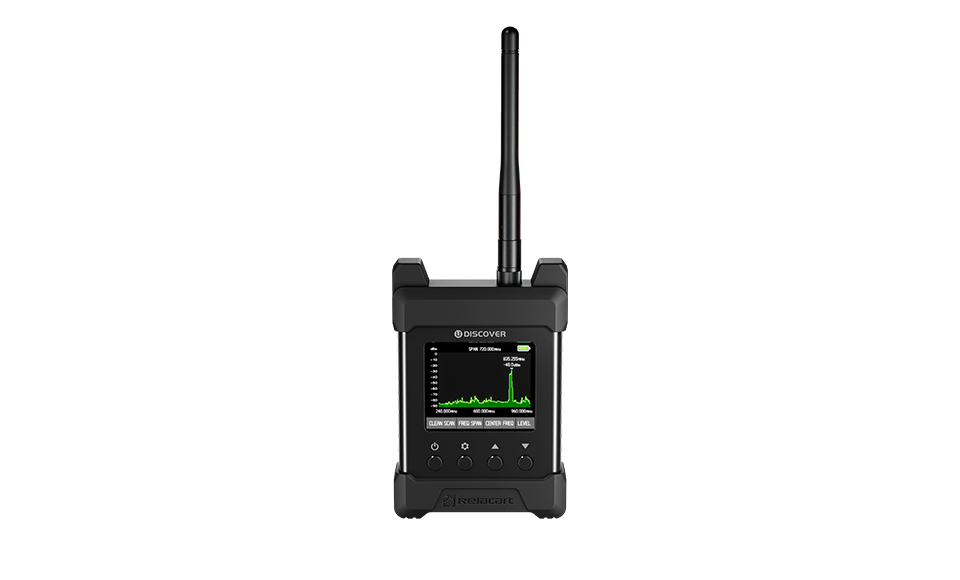
Automatic Frequency Selection: Automatic scanning can help identify available operating frequencies before a service or event.
PLL Frequency Control: Phase-locked loop technology supports accurate and stable frequency generation.
Squelch Control: Noise and signal-strength-based squelch circuits help prevent unwanted RF noise from reaching the audio output.
For example, Relacart's UR-111S uses PLL frequency control, automatic frequency selection, and dual squelch locking to help manage RF interference. Its receiver provides four frequency groups and 40 channels, with more than 400 adjustable frequency options according to the product specifications.
These features make frequency management an important consideration when selecting equipment for worship venues with recurring services and multiple wireless users.
3. Choose the Right Receiver Architecture for Multiple Microphones
The receiver configuration should match the number of microphones that need to operate simultaneously.
Single-Channel Systems
A single-channel receiver may be sufficient for a smaller worship venue that primarily needs one wireless microphone for sermons or announcements. It also provides a straightforward option for installations with limited channel requirements.
Dual-Channel Systems
A dual-channel receiver can accommodate two independent wireless microphone channels within one receiver unit. This configuration is practical when a pastor and worship leader need separate microphones or when two speakers participate in the same service.
Multi-Channel Systems
Larger worship venues may require four or more simultaneous wireless channels for pastors, worship leaders, vocalists, and guest speakers.
In these installations, multi-channel receiver configurations can reduce rack space and simplify equipment organization. However, each channel still requires proper frequency coordination.
Relacart's UR Series wireless microphone systems include single-channel, dual-channel, and quad-channel options, allowing system integrators to select receiver configurations according to project requirements.

4. Understand the Role of Diversity Reception and Antenna Distribution
RF signal reflections are common in buildings containing metal structures, glass surfaces, concrete walls, and other reflective materials. These reflections can create multipath interference, where signals arriving through different paths may partially cancel each other.
Receiver architecture and antenna design therefore deserve particular attention.
Antenna Diversity: Uses multiple antenna reception paths to improve the likelihood of maintaining a usable signal.
True Diversity Reception: Uses two independent receiving paths for each channel, helping reduce dropouts caused by multipath fading.
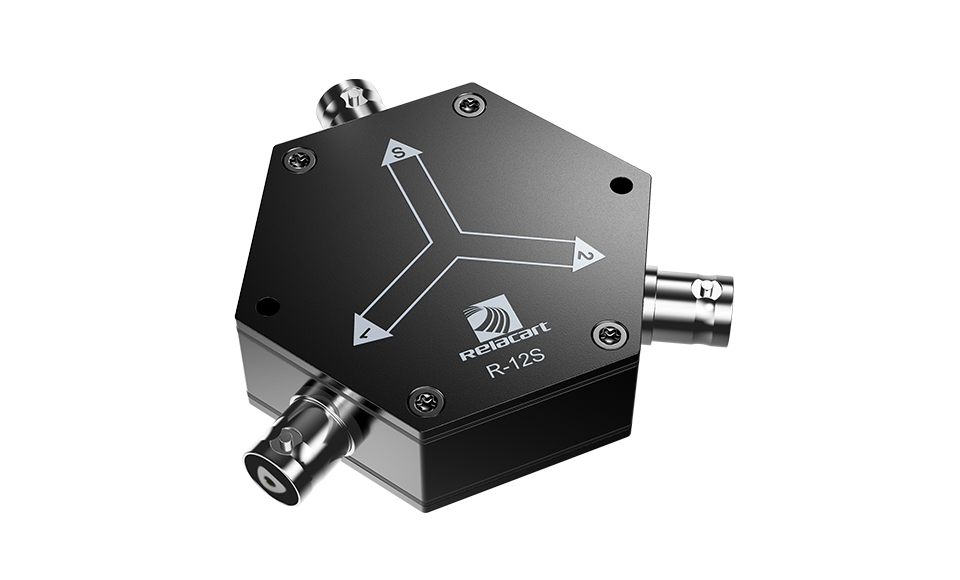
Antenna Distribution: Distributes antenna signals to multiple receivers, reducing the need for separate antenna installations for every receiver.
Antenna Placement: Antennas should be positioned with a suitable line of sight to the performance area whenever possible.
For multi-channel worship installations, an appropriately designed antenna distribution system can simplify receiver rack configuration and improve installation consistency.
The final antenna arrangement should be determined by venue dimensions, receiver locations, cable losses, and an on-site RF assessment.
5. Select the Appropriate Microphone and Transmitter Configuration
Different worship activities require different microphone formats. A receiver system should support the transmitter and microphone combinations needed by the venue.
Wireless Handheld Microphones: Suitable for sermons, announcements, guest speakers, and vocal performances.
Bodypack Transmitters with Headset Microphones: Allow worship leaders and presenters to move freely while maintaining a consistent microphone position.
Bodypack Transmitters with Lavalier Microphones: Provide a discreet option for speakers who prefer a less visible microphone.
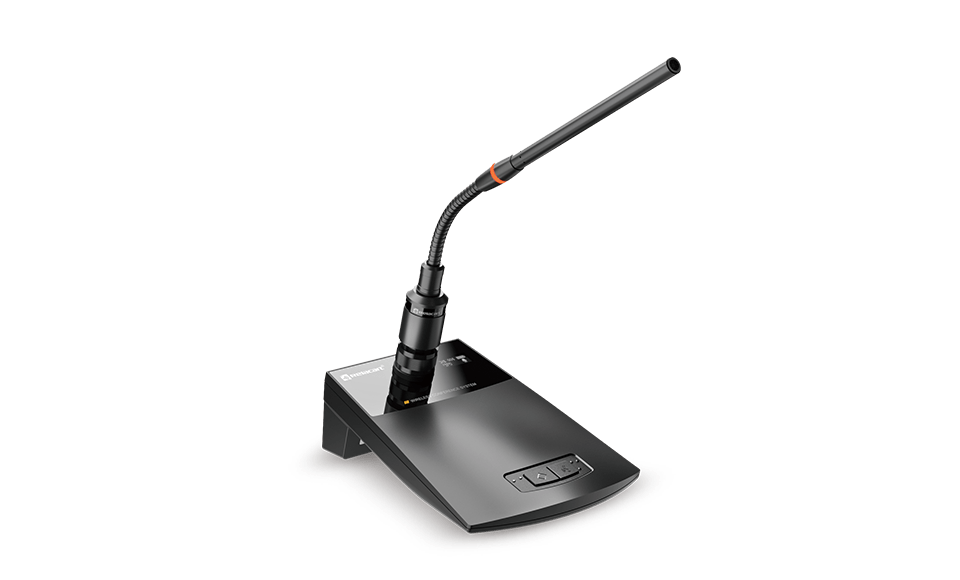
Wireless Gooseneck Microphone Bases: Can be used at fixed lecterns where a dedicated microphone position is preferred.
For example, the Relacart UR-111S system supports wireless handheld and bodypack configurations, with compatible headset and lavalier microphone accessories.
Selecting compatible microphone components in advance helps avoid mismatches between transmitter connectors, microphone inputs, and receiver configurations.
6. Which Relacart UHF Wireless Microphone Systems Should You Consider?
Relacart's UR Series provides several receiver configurations for professional audio installations, including houses of worship.
UR-111S UHF Single-Channel Wireless Microphone System
The UR-111S is designed for installations requiring one wireless microphone channel.
Its relevant features include:
UHF frequency operation with region-dependent frequency configurations.
PLL frequency synthesis.
Automatic frequency selection and IR frequency synchronization.
Four frequency groups and 40 channels.
Noise-lock and field-strength-lock dual squelch circuits.
Balanced XLR and unbalanced 6.3mm audio outputs.
It can be considered for smaller worship spaces, fixed speaking positions, and installations where a dedicated single-channel receiver is sufficient.
UR-223D Dual-Channel True Diversity Wireless Microphone System
The UR-223D offers two independent wireless channels with true diversity reception.
Its specifications include:
Dual-channel true diversity reception.
64MHz switching bandwidth.
UHF carrier frequency configurations.
Balanced XLR and unbalanced 6.3mm audio outputs.
Typical operating range of 80 meters in open space.
Compatibility with handheld microphones and bodypack transmitters.
This configuration is worth evaluating for worship venues that need two independent wireless microphone channels and additional flexibility for speakers and performers.
UR-2Q Quad-Channel True Diversity Wireless Microphone System
For larger worship venues requiring multiple wireless microphones, the UR Series also includes the UR-2Q, a four-channel true diversity system with 130MHz switching bandwidth, depending on region.
Its built-in antenna distribution and Dante network audio output make it relevant to installations requiring multi-channel receiver management and digital audio integration.
The final model should be selected according to the required number of simultaneous microphones, available RF spectrum, local frequency regulations, and existing audio infrastructure.
7. What Should AV Integrators Confirm Before Installation?
Before specifying a UHF wireless microphone system for a house of worship, AV contractors and system integrators should verify:
Venue RF Conditions: Are there nearby wireless systems or potential interference sources?
Channel Requirements: How many microphones need to operate simultaneously during regular services and special events?
Frequency Regulations: Which UHF frequency ranges are legally available in the installation country?
Antenna Configuration: Are remote antennas, antenna boosters, or distribution equipment required?
Audio Connections: Does the receiver need to connect to an analog mixer, DSP, or Dante-enabled network?
Microphone Types: Are handheld, headset, lavalier, and fixed-position microphones required?
Future Expansion: Can the receiver and antenna infrastructure accommodate additional channels later?
A practical RF site survey and frequency coordination plan should be completed before final installation. Testing the system under actual operating conditions is also important, particularly in venues with complex building structures.
Conclusion
A suitable UHF wireless microphone system for a house of worship should provide reliable RF reception, flexible frequency selection, appropriate receiver architecture, and compatibility with the venue's audio infrastructure.
Relacart's UR Series offers single-channel, dual-channel, and quad-channel configurations for different professional wireless audio requirements. By matching receiver specifications, antenna arrangements, and microphone types to the actual installation environment, churches and other houses of worship can build more manageable and reliable audio systems.
Contact Relacart to discuss your worship venue's wireless microphone requirements and find a suitable UHF system configuration for your project.