Selecting a wireless microphone system for a university or lecture hall requires more than choosing a microphone with good sound quality. Educational facilities often operate multiple classrooms, lecture theaters, auditoriums, and seminar rooms simultaneously. The audio system must accommodate different teaching formats while maintaining reliable RF transmission, clear speech reproduction, and compatibility with existing AV infrastructure.
For universities planning a new installation or upgrading an existing system, the right configuration depends on room size, microphone usage, wireless channel requirements, and audio integration needs.
1. Match the Wireless Microphone Configuration to Teaching Requirements
Different teaching environments require different microphone setups.
Standard Classrooms: A single-channel wireless system with a bodypack transmitter and lavalier or headset microphone is often sufficient for one instructor. It allows teachers to move naturally while speaking.
Large Lecture Halls: Dual-channel or multi-channel wireless systems are more practical when instructors, guest speakers, and teaching assistants need separate microphones.
Auditoriums and Seminar Rooms: Multiple wireless channels may be required for presentations, panel discussions, and interactive lectures. Channel capacity and RF coordination become particularly important.
The objective is to select enough microphone channels for actual usage without introducing unnecessary equipment or operational complexity. Universities can compare different configurations within a professional wireless microphone system range according to their room requirements.
2. Evaluate RF Stability in Multi-Room University Environments
Wireless interference is one of the main technical considerations in university installations.
Several classrooms operating wireless microphones within the same building may compete for available RF spectrum. Nearby wireless devices and other radio-frequency sources can also affect transmission performance.
When evaluating a system, consider:
Frequency Coordination: Check available frequency bands and coordinate channels across adjacent rooms.
Diversity Reception: True diversity reception helps reduce signal dropouts caused by multipath interference and RF fading.
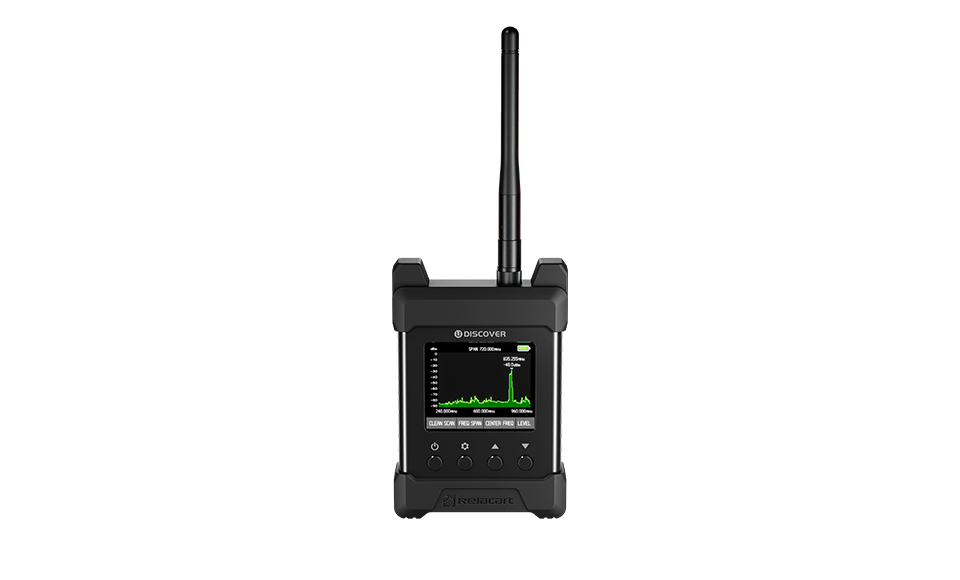
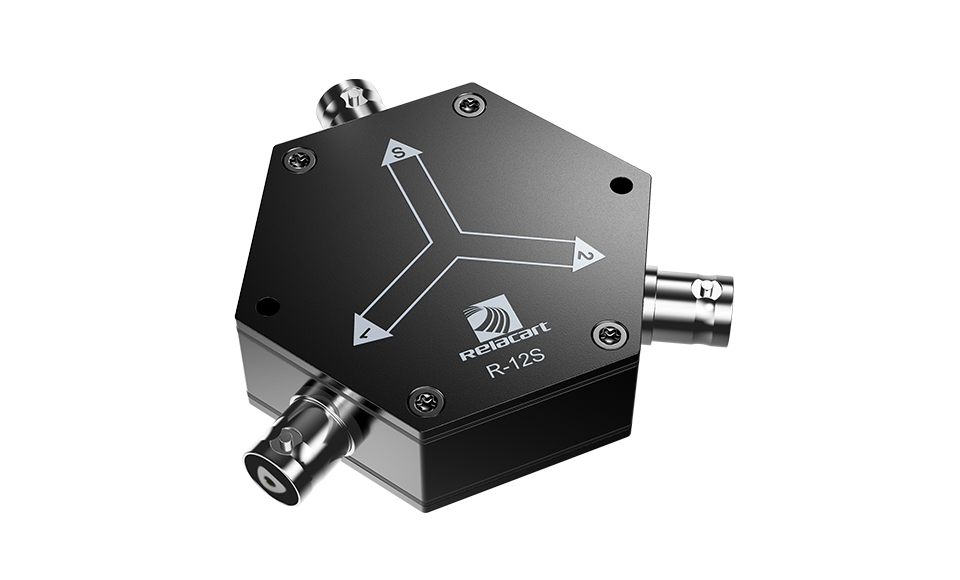
Antenna Distribution: For multi-channel installations, properly designed antenna distribution can simplify receiver connections and antenna management.
Operating Frequency: Confirm that the selected frequency range complies with local radio regulations.
For larger installations, RF planning should be completed before equipment deployment rather than relying on individual receiver settings.
For example, Relacart's UR Series wireless microphone systems include different receiver configurations, allowing system designers to evaluate single-channel, dual-channel, and multi-channel options according to installation requirements.
3. Choose the Right Microphone Type for Teaching
The transmitter and microphone combination directly affects teaching convenience and speech pickup.
Headset Microphones: Suitable for instructors who frequently move, turn toward presentation screens, or demonstrate equipment.
Lavalier Microphones: Offer a discreet option for lectures and presentations where a hands-free appearance is preferred.
Handheld Microphones: Useful for guest speakers, student participation, and audience Q&A sessions.
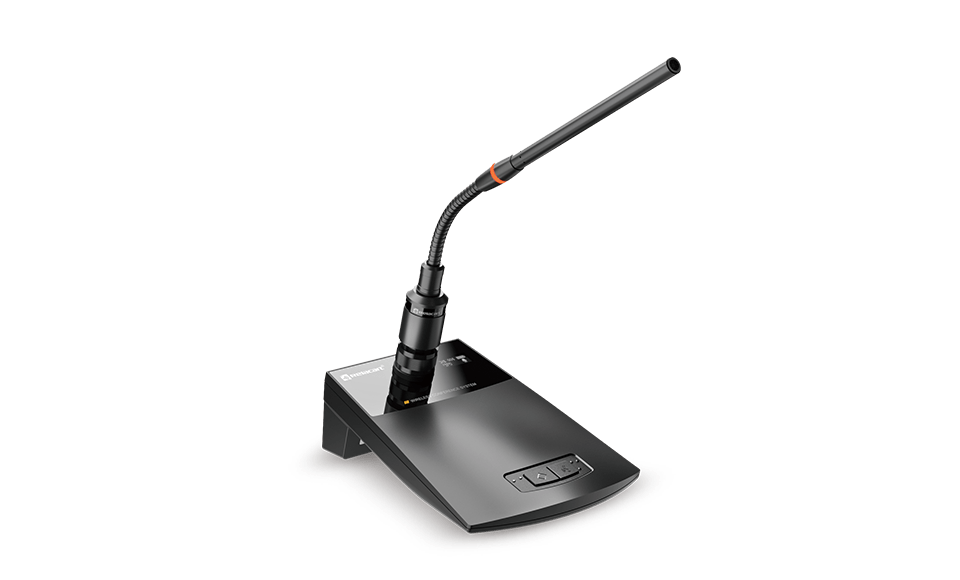
Gooseneck Microphones: More appropriate for fixed lecterns and discussion positions.
A practical university installation may combine bodypack transmitters for instructors with handheld microphones for audience interaction.
4. Consider Integration with Existing AV and Dante Audio Networks
A wireless microphone receiver should work smoothly with the university's existing audio infrastructure.
Before purchasing, check:
Balanced XLR outputs for connection to mixers and DSP processors.
Available analog and digital audio interfaces.
Compatibility with existing PA and room control systems.
Dante connectivity when network-based audio distribution is required.
Expandability for future classrooms and additional wireless channels.
For universities using networked AV infrastructure, a Dante-enabled wireless microphone system can help integrate wireless audio into a broader digital audio workflow. The choice of network audio equipment should also consider the existing Dante infrastructure and system routing requirements.

5. Which Relacart Wireless Microphone Systems Are Suitable?
Relacart offers several wireless microphone platforms that can be considered according to classroom size and installation requirements.
UR-D1 and UR-D2 Digital Wireless Microphone Systems
The UR-D Series is worth considering for universities with demanding RF environments or multiple wireless transmitters. The UR-D2 features a 64MHz operating bandwidth, 24-bit/48kHz digital audio, and support for up to 20 simultaneously active transmitters within an 8MHz bandwidth. Its digital architecture is designed to provide stable transmission in crowded RF environments.
UR-290D Dual-Channel True Diversity Wireless Microphone System
For lecture halls and multi-functional educational venues requiring network audio integration, the UR-290D offers two wireless channels, True Diversity reception, up to 64MHz bandwidth depending on region, and Dante audio transmission support.
IMIC-6 and IMIC-6D Wireless Microphone Systems
The IMIC-6 Series provides dual-channel wireless microphone configurations for educational and other professional audio applications. These models can be evaluated for classroom installations requiring integrated wireless audio equipment.
The final choice should be based on the required microphone quantity, operating frequency, room layout, and integration requirements rather than model specifications alone.
6. What Should Universities Confirm Before Purchasing?
Before finalizing a wireless microphone installation, universities and AV contractors should confirm:
How many microphones need to operate simultaneously?
Will adjacent classrooms use wireless systems at the same time?
Are headset, lavalier, and handheld microphones all required?
Does the existing audio infrastructure support Dante?
Is centralized antenna distribution necessary?
Can the system accommodate future classroom expansion?
For projects involving both classroom instruction and formal meetings, it is also worth reviewing Relacart's conference audio solutions to determine whether dedicated conference microphone equipment is needed alongside wireless teaching microphones.
These details help determine the appropriate receiver configuration, transmitter types, antenna arrangement, and audio connections.
Conclusion
The best wireless microphone system for universities and lecture halls is one that matches the teaching environment, provides reliable RF performance, and integrates with the institution's existing AV infrastructure.
Relacart provides wireless microphone solutions ranging from conventional dual-channel systems to advanced digital wireless platforms and Dante-enabled equipment. With the right system configuration, universities can build flexible audio environments for classrooms, lecture theaters, auditoriums, and campus-wide educational facilities.
Contact Relacart to discuss your university audio requirements and identify a suitable wireless microphone configuration for your installation.