Wireless microphones are widely used for conferences, live performances, churches, schools, theaters, outdoor events, and broadcast applications. One of the most common questions when choosing a system is: How far can wireless microphones work?
The answer depends on the microphone system, operating frequency, antenna design, installation environment, and surrounding interference.

Typical Wireless Microphone Range
For many professional wireless microphone systems, the practical operating distance is generally between 50 and 100 meters under normal conditions.
Some professional systems can achieve longer transmission distances in open environments, while entry-level systems may have a shorter reliable range.
In general:
● Small indoor rooms: 10–30 meters is usually sufficient
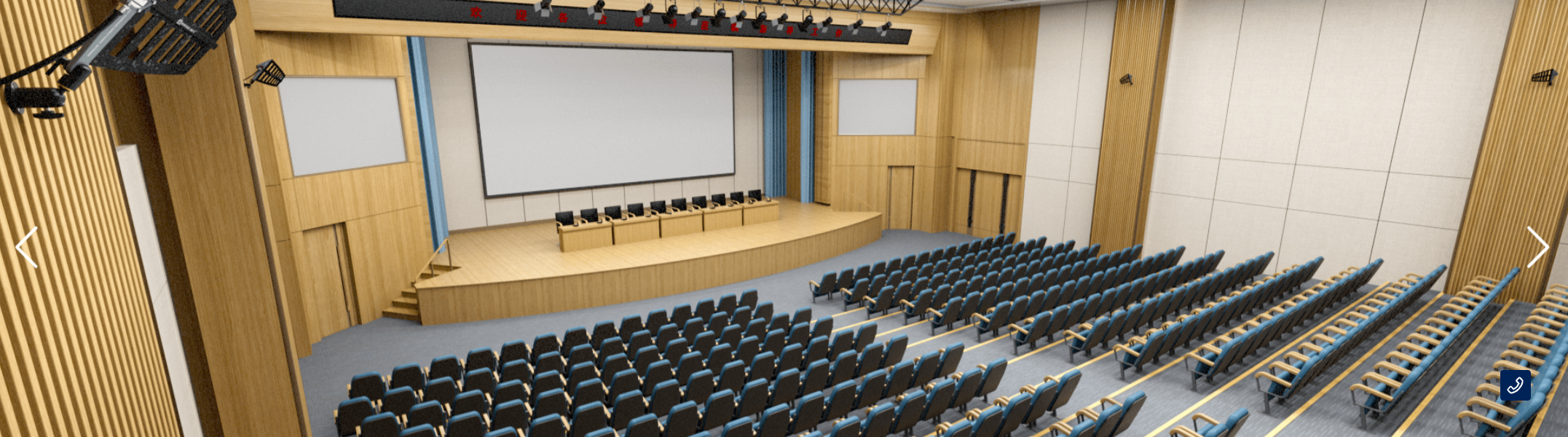
● Conference halls and churches: 30–60 meters is common
● Large stages and auditoriums: 50–100 meters may be required
● Outdoor events: longer distances may be possible with clear line of sight
However, the maximum distance listed in product specifications should not always be treated as the guaranteed working distance in every environment.
What Affects Wireless Microphone Range?
1. Line of Sight
Wireless signals perform best when there is a clear path between the transmitter and receiver.
Walls, metal structures, stage equipment, people, and large objects can reduce signal strength.
An open venue usually allows a wireless microphone to operate over a longer distance than a crowded indoor environment.
2. Operating Frequency
The frequency band also affects wireless transmission.
Professional wireless microphones commonly use UHF frequencies because they can provide stable transmission, flexible channel selection, and good performance in professional audio environments.
A properly configured wireless microphone system can help users maintain more reliable communication between the transmitter and receiver across different applications.
3. RF Interference
Other wireless equipment can reduce microphone range.
Possible sources of interference include:
● Other wireless microphones
● Communication equipment
● Wireless intercom systems
● LED displays
● Electronic equipment
● Nearby RF transmitters
If interference becomes strong, the microphone may experience noise, signal dropout, or complete signal loss even when the transmitter is relatively close to the receiver.
Using frequency scanning and selecting a clean channel can help improve wireless stability.
4. Receiver and Antenna Position
Receiver placement is one of the most important factors affecting wireless microphone performance.
Do not place the receiver:
● Inside a closed metal cabinet
● Directly behind large equipment
● On the floor when avoidable
● Close to strong RF interference sources
For larger venues, antennas should be positioned where they can maintain a clear signal path to the performance area.
Professional systems may also support remote or directional antennas for more demanding installations.
5. Transmitter Power and Battery Condition
Transmission performance also depends on the transmitter.
A weak battery can reduce system reliability, especially during long events.
Always check the microphone battery level before use and replace or recharge batteries when necessary.
Some professional wireless systems also provide adjustable RF transmission power, allowing users to optimize performance for different venue sizes.
Indoor vs Outdoor Wireless Microphone Range
Wireless microphones often achieve a longer range outdoors because there are fewer walls and physical barriers.
For example, a system that works reliably at 80 meters in an open outdoor area may have a shorter usable distance inside a building with concrete walls, metal structures, or heavy electronic equipment.
This is why real-world testing is important.
A wireless microphone should always be tested throughout the actual operating area before a conference, performance, or event begins.
How to Improve Wireless Microphone Range
If your microphone experiences dropouts or unstable transmission, try the following:
● Move the receiver closer to the operating area
● Keep a clear line of sight between transmitter and receiver
● Reposition the antennas
● Scan for a cleaner frequency
● Keep antennas away from metal objects
● Replace weak transmitter batteries
● Reduce nearby RF interference
● Use professional antenna distribution or remote antennas for large venues
For multi-channel systems, proper frequency coordination is also important. Simply increasing transmission power will not solve interference caused by poorly selected frequencies.
Do You Need the Maximum Possible Range?
Not necessarily.
A wireless microphone should be selected based on the actual venue rather than simply choosing the system with the longest advertised distance.
For a meeting room, a stable 30-meter system may be more than sufficient. For theaters, churches, stadiums, or outdoor performances, longer range and stronger RF management capabilities become much more important.
Conclusion
So, how far can wireless microphones work?
For many professional systems, 50–100 meters is a common practical range, but actual performance depends on the venue, interference, antenna placement, frequency selection, and equipment quality.
When choosing a wireless microphone, do not focus only on maximum transmission distance. Stable RF performance, frequency flexibility, antenna design, and proper system setup are equally important for reliable professional audio.