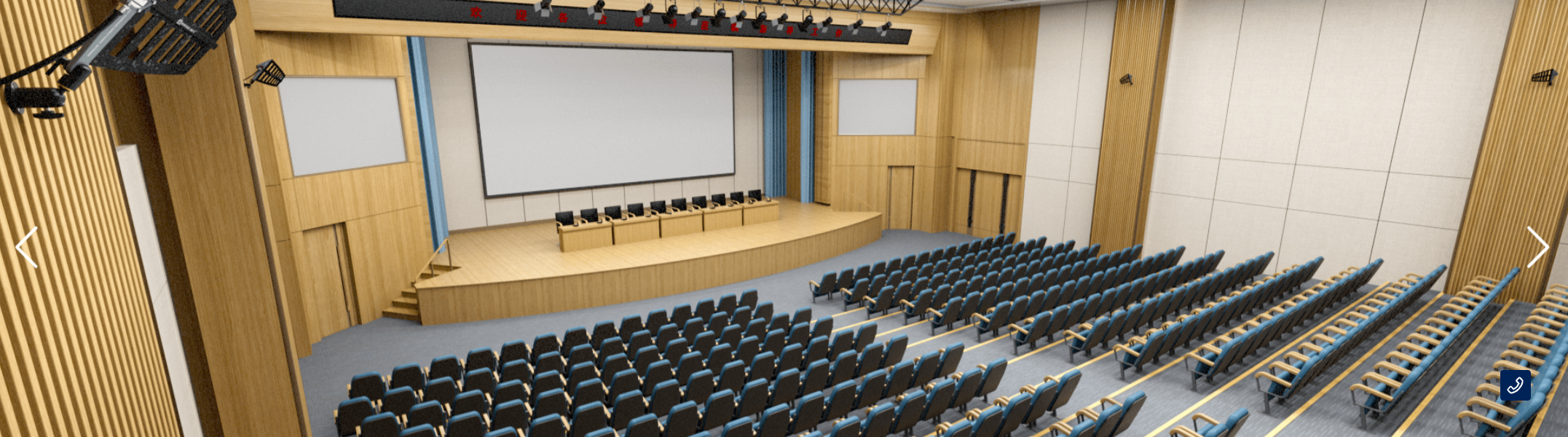
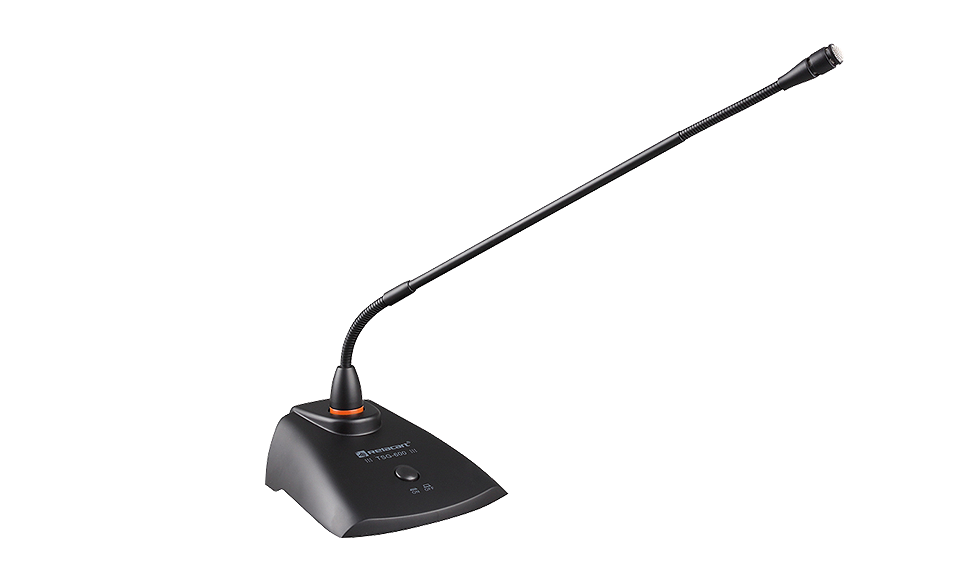
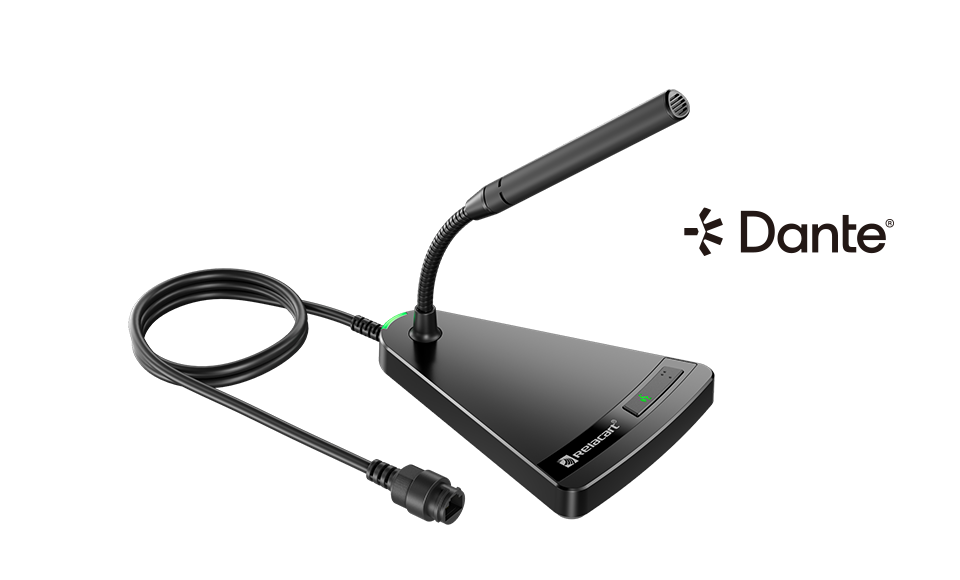
In an era where meetings—both in-person and hybrid—play a critical role in decision-making, collaboration, and governance, it has become increasingly important to ensure clarity, order, and fairness in discussions. This is where a Conference Discussion System steps in. Designed to manage speaking rights, improve audio clarity, enable structured conversations, and even support voting and interpretation, these systems have evolved into essential tools for councils, corporations, educational institutions, and international organizations.
This article provides a comprehensive guide to conference discussion systems: what they are, how they work, where they are used, their key features and benefits, and how to select the best system for your meeting environment.
What Is a Conference Discussion System?
A Conference Discussion System is an integrated audio and control solution that manages communication and interaction during meetings. It typically includes:
Delegate microphones and speakers
Chairman or moderator unit
Central control system
Digital recording and management software
Optional interpretation and voting modules
The core goal is to make discussions structured, audibly clear, and easy to manage, whether you are handling ten participants or hundreds.
These systems are commonly used in environments where organized communication and accurate records are essential.

How Does a Conference Discussion System Work?
System Architecture Overview
A typical conference discussion system consists of multiple delegate units connected to a central control device. The chairman or moderator controls who speaks, while integrated speakers and microphones ensure everyone in the room hears clearly.
Key Operational Functions
Microphone activation control – queue or free mode
Priority override for chairperson
Automatic volume balancing
Recording & archiving
Multi-language interpretation (optional)
Electronic voting (optional)
Digital conference systems often connect over secure wired or wireless networks, making them scalable and easy to manage.
Types of Conference Discussion Systems
Wired Conference Discussion Systems
Wired systems provide stable audio transmission and are ideal for permanent installations such as:
Government chambers
Corporate boardrooms
Academic auditoriums
They offer excellent reliability and minimal interference.
Wireless Conference Discussion Systems
Wireless systems are flexible and easy to deploy in venues that require mobility or frequent reconfiguration. They are commonly used in:
These systems reduce cable clutter and allow faster setup.
Hybrid Conference Discussion Systems
Hybrid systems combine wired reliability with wireless flexibility, ensuring maximum adaptability for modern meeting spaces—especially hybrid or smart conference rooms.
Key Components of a Conference Discussion System
Delegate Microphone Units
Each participant receives a unit with:
Built-in microphone
Speaker
Request-to-speak button
Status indicators
Chairperson Unit
The chairperson unit usually includes:
Central Control Unit
This is the “brain” of the system. It manages:
Audio routing
User permissions
Device connections
Recording
Voting modules
Software Interface
Modern systems integrate with PC software for:
Core Features of a Conference Discussion System
Crystal-Clear Audio Quality
Noise suppression, echo cancellation, and digital processing ensure every voice is crisp and intelligible.
Orderly Speech Management
Microphone queue control prevents interruptions and overlapping speech. Chairpersons can moderate the discussion smoothly.
Built-In Recording and Documentation
Discussions can be recorded for:
Meeting minutes
Legal compliance
Reference
Multi-Language Interpretation (Optional)
Simultaneous interpretation allows multilingual communication in international meetings.
Secure Voting and Polling
Participants can vote electronically, ensuring confidentiality and accuracy. Results are displayed instantly.
Scalability
Systems scale from small meeting rooms to national-level parliamentary chambers.
Benefits of Using a Conference Discussion System
Improved Communication Clarity
Everyone hears and understands each speaker—reducing miscommunication.
Enhanced Meeting Efficiency
Orderly speech flow minimizes interruptions and improves meeting structure.
Professional Image
Organizations present a modern and credible meeting environment.
Accessibility and Inclusiveness
Hearing support integrations ensure all participants engage fully.
Compliance and Documentation
Automatic recording supports auditing and institutional record-keeping.
Where Are Conference Discussion Systems Used?
Government and Public Administration
City councils
Parliaments
Legislative assemblies
Orderly and traceable discussion is essential.
Corporate and Business Meetings
Companies benefit from better communication and voting tools.
Education and Research Institutions
Lecture halls
Academic forums
Research conferences
They improve structured academic discussion.
International Organizations and Events
Interpretation features support global communication.
Conference Discussion System vs Traditional PA Systems
Key Differences
| Feature | Conference Discussion System | Public Address System |
|---|
| Speech management | Yes | No |
| Voting function | Available | Not available |
| Recording | Integrated | Optional |
| Interpretation support | Yes | Rare |
| Participation structure | Organized | Open |
| Interactivity | High | Low |
A Conference Discussion System focuses on interaction and governance, not just amplification.
How to Choose the Right Conference Discussion System
Step 1: Assess Your Meeting Needs
Consider:
Step 2: Evaluate Technical Performance
Key specs include:
Step 3: Consider Usability
Look for:
Step 4: Plan for Future Scalability
Choose a system that can expand as your needs grow.
Step 5: Evaluate Support and Integration
Ensure compatibility with:
And confirm vendor support quality.
Installation and Setup Considerations
Room Acoustics Matter
Good acoustics improve clarity. Consider:
Network and Power Requirements
Wired systems need stable cabling, while wireless systems require interference-free environments.
Training and Onboarding
Provide brief training so participants use the system confidently.
Future Trends in Conference Discussion Systems
AI-Powered Transcription
Automatic meeting notes are becoming more common.
Integration with Hybrid Meeting Platforms
Systems now sync with:
for seamless hybrid collaboration.
Touchscreen & Voice Control
User interfaces are becoming more intuitive and modern.
Enhanced Data Security
Encrypted communication is now standard in government and corporate environments.
Best Practices for Using a Conference Discussion System
Define speaking rules clearly
Test equipment before meetings
Keep software updated
Record important sessions
Assign a technical moderator for large events
Conclusion
A Conference Discussion System is more than just a microphone setup—it is an intelligent communication platform that supports structured dialogue, fairness, clarity, and efficiency in meetings. Whether you manage a corporate boardroom, government chamber, university forum, or international summit, the right system can transform how people engage, collaborate, and make decisions.
By understanding the features, applications, and selection factors outlined in this guide, you can confidently choose a solution that elevates your meeting experience and supports your organization’s long-term communication needs.
If your goal is to create smarter, clearer, and more efficient discussions, a conference discussion system is one of the most powerful investments you can make.